To start your journey, you need to meet a few basic criteria set by EASA regulations.
Students can start their PPL training from the age of 16, however, to proceed with a final Practical Check ride must be at least 17 years of age. The certificate that grants the student to fly will be issued once they meet the required age.
Flying Academy will help you to arrange the Medical visit right after your arrival.
Students must be fluent in English, both spoken and written. A short phone call test will be handled.
Students must at least have high school-level knowledge of Math and Physics.

The first step in your aviation career will be to earn your EASA Private Pilot License (PPL). During this initial flight training, students will learn all the fundamentals of aviation and acquire the essential skills to fly an aircraft. With the Private Pilot License, pilots will be able to fly a Single Engine Piston Land (SEP Land) for their pleasure. You will also be able to carry passengers anywhere in Europe.
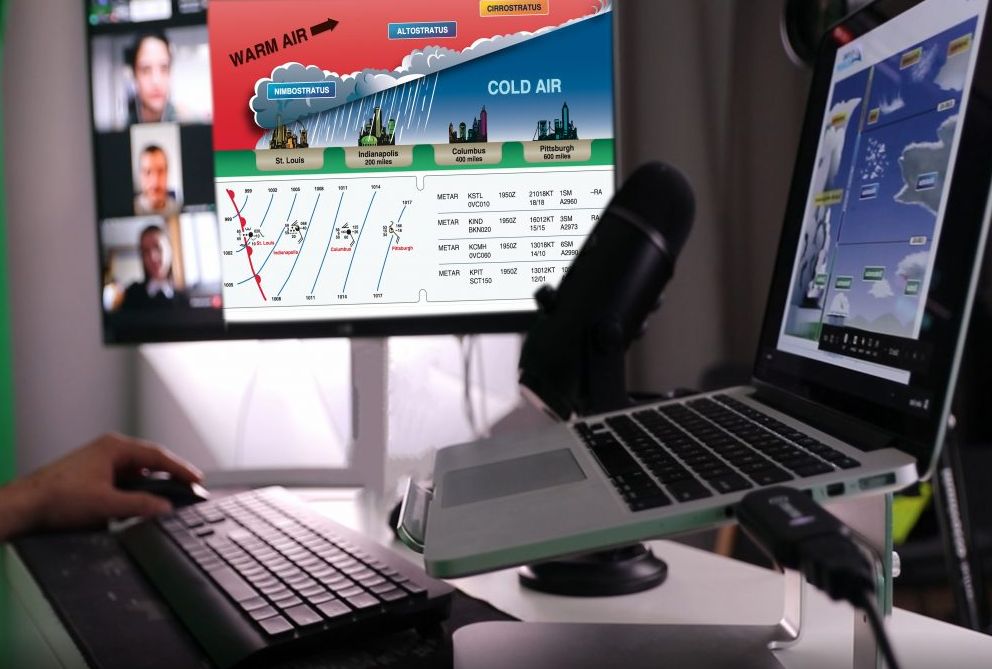
Once you’ve earned your Private Pilot License, it’s time to expand your knowledge by studying the 14 theoretical subjects of the EASA Air Transport Pilot License (ATPL). The European Air Safety Agency (EASA) requires you to have superior and precise knowledge of aviation to be able to become an Airline Pilot. While you complete your theoretical training, you have the opportunity to simultaneously start your flight training as well.
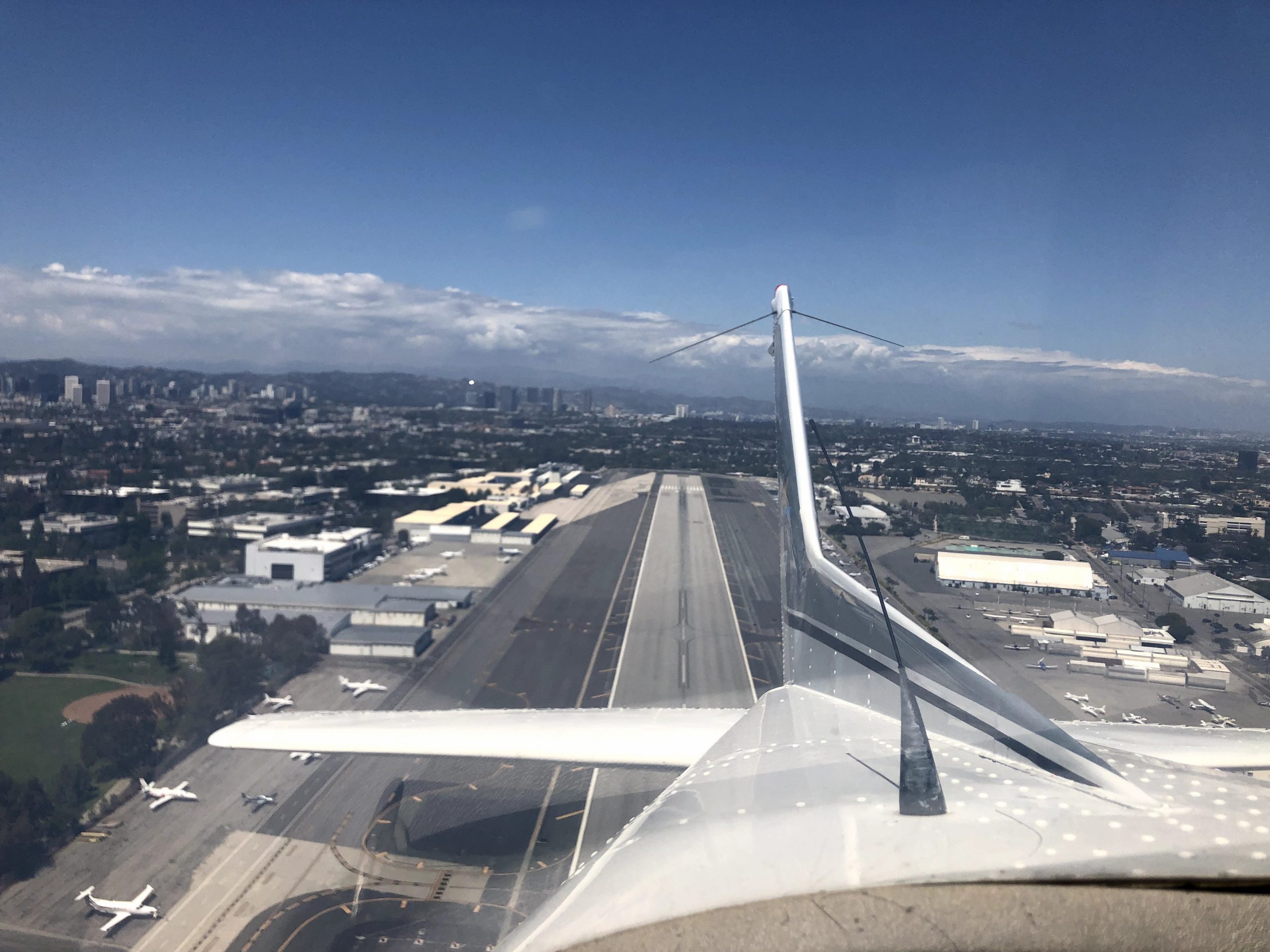
During the ATPL training, pilots continue flying either alone or with friends and relatives. You will need a minimum of 100 hours of flight as Pilot In Command (PIC) to be eligible for the Commercial Pilot license skill test. Time Building allows pilots to gain experience and build hours which are requirements to further their aviation career.
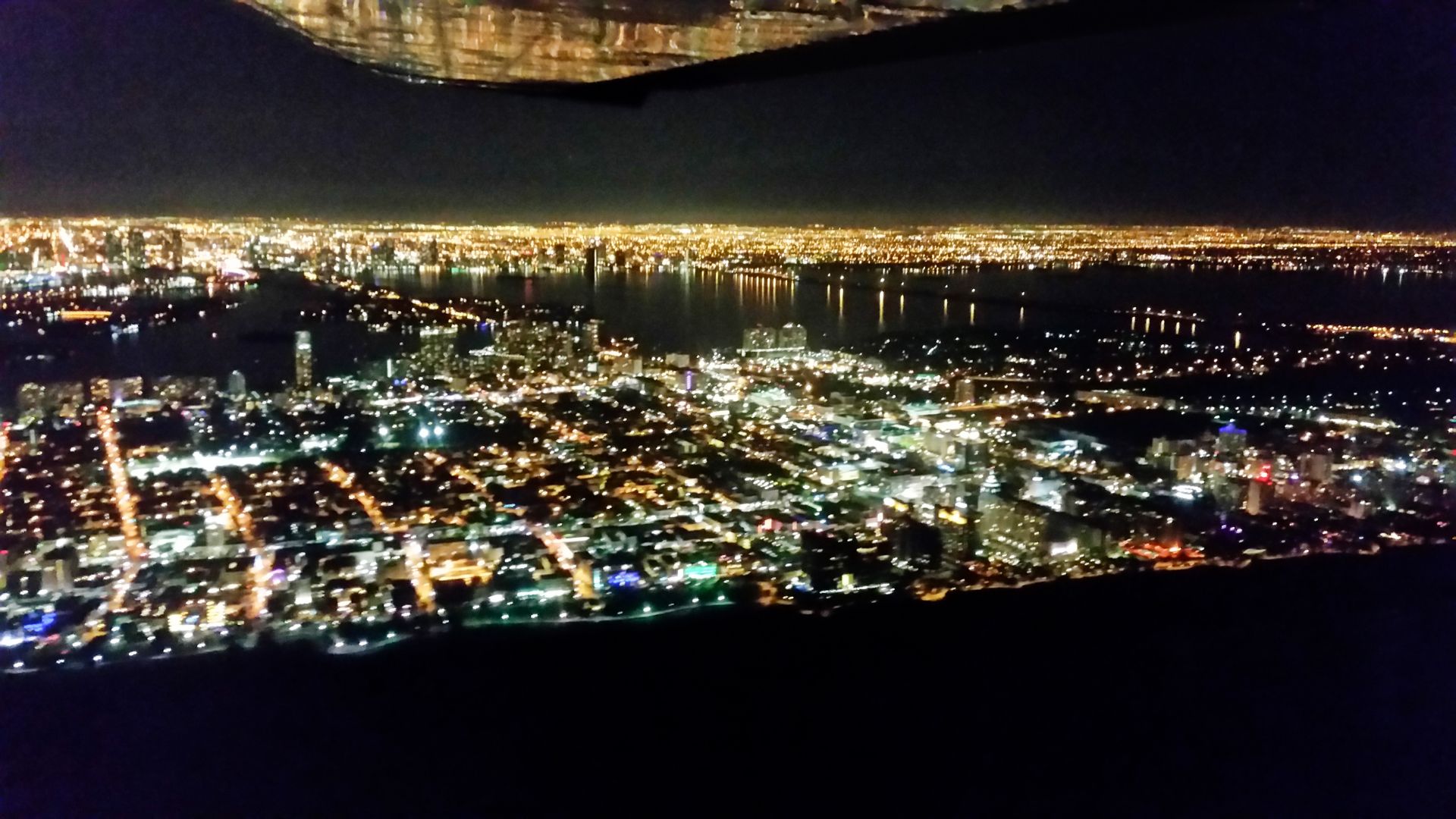
Pilots need to earn Night Rating (NR) to be able to fly at night under Visual Flight Rules (VFR) anywhere in Europe.
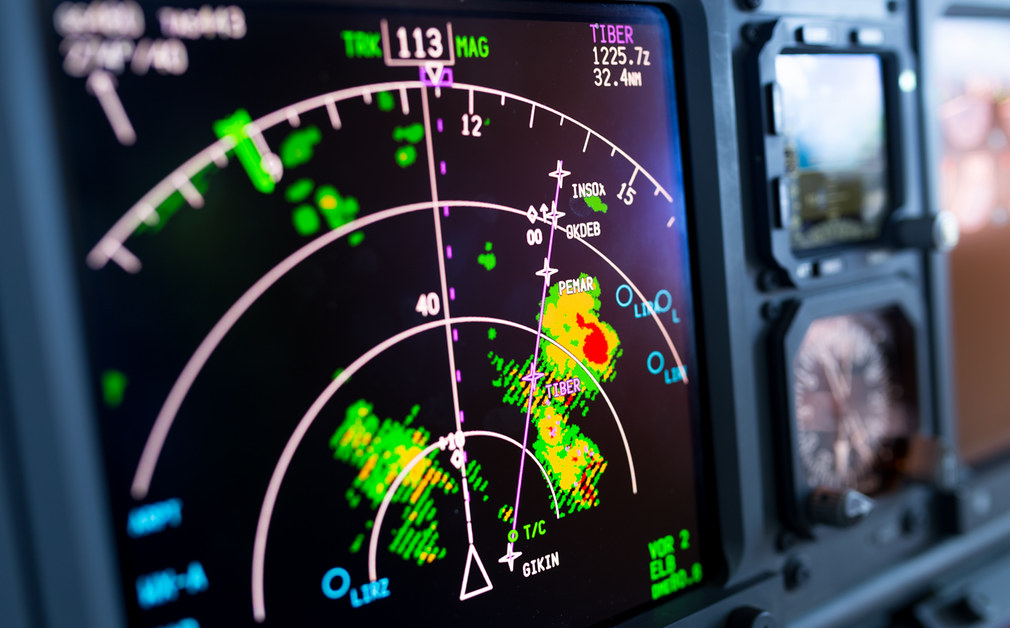
Once you’re a holder of a PPL (A) license, you have good ATPL (A) theoretical knowledge and you feel confident on board you can start your Instrument Rating. IR(A) is a qualification that allows pilots to fly under Instrument Flight Rules(IFR), which means under low visibility and cloudy conditions.
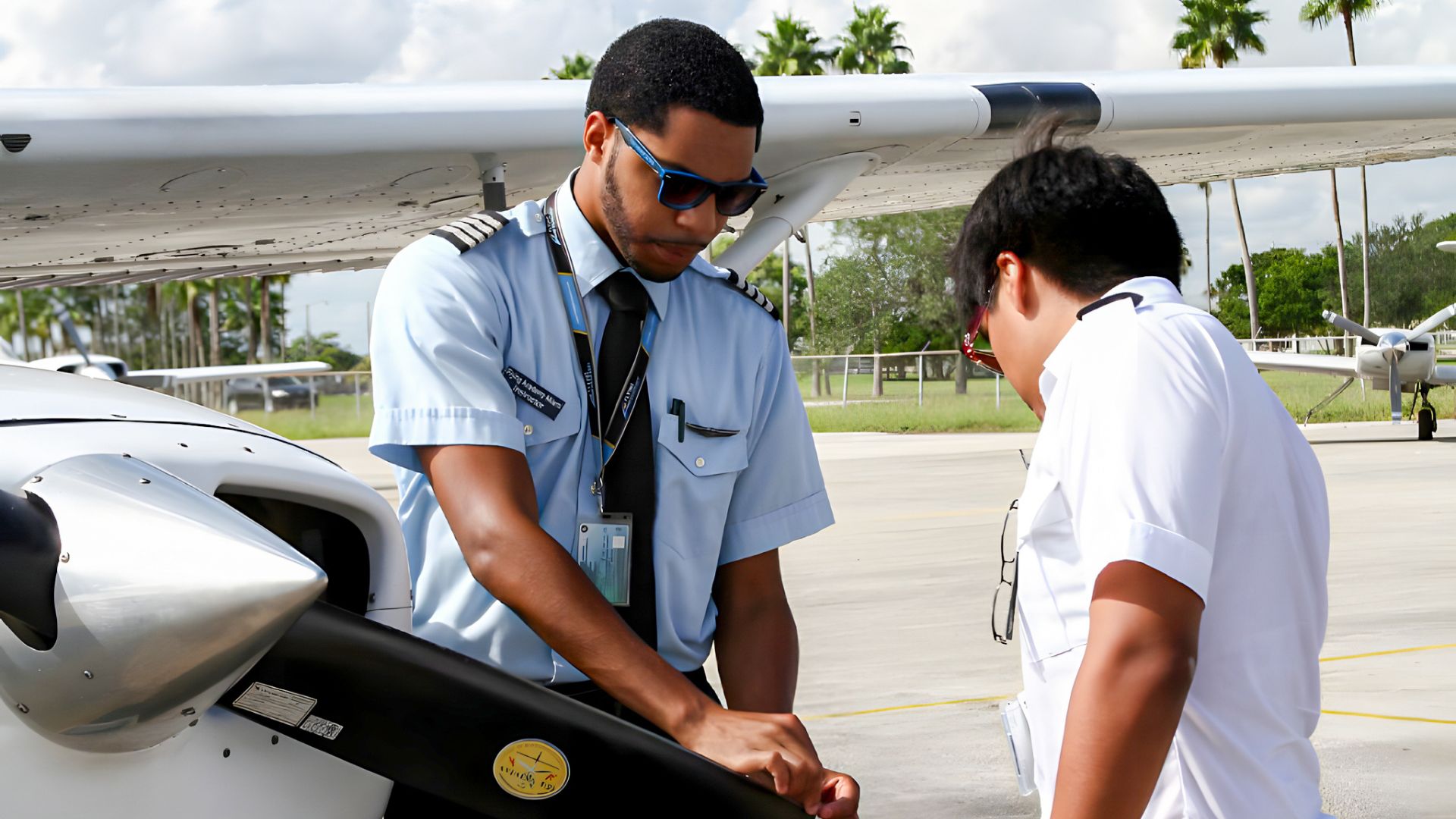
It’s time to be able to earn money with all these ratings and to accomplish this you need to earn your Commercial Pilot License (CPL). This is a license and not a rating. You were previously a Private Pilot and you are now joining the team of Professional Pilots. You will be eligible to be hired for your piloting skills and make a career out of your passion.
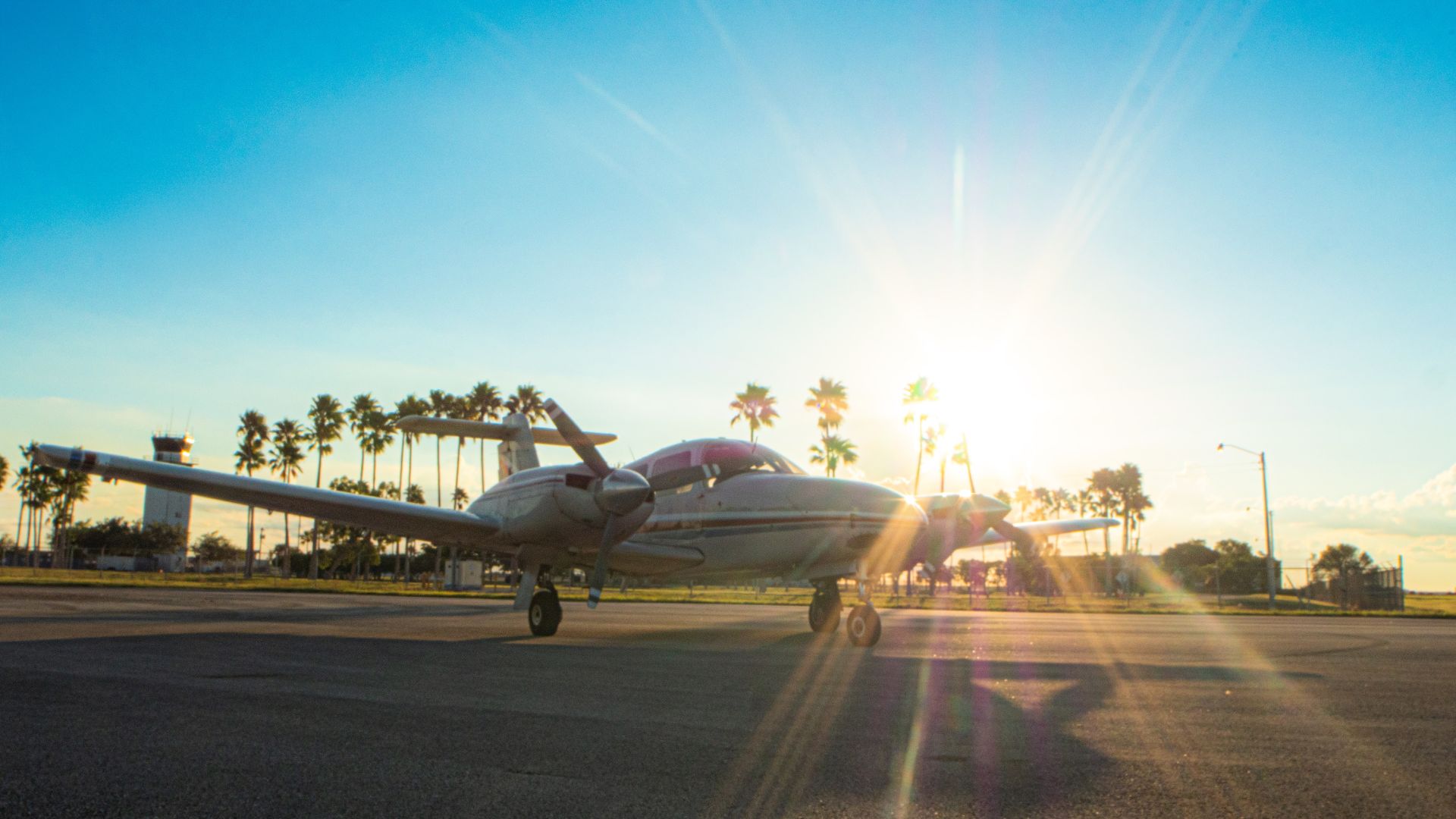
The next step of your flight training will be to earn the Multi-Engine Piston (MEP), which is required by most airlines before hiring. This rating will allow pilots to fly an airplane with more than two engines. Pilots will start to fly bigger, faster and further.
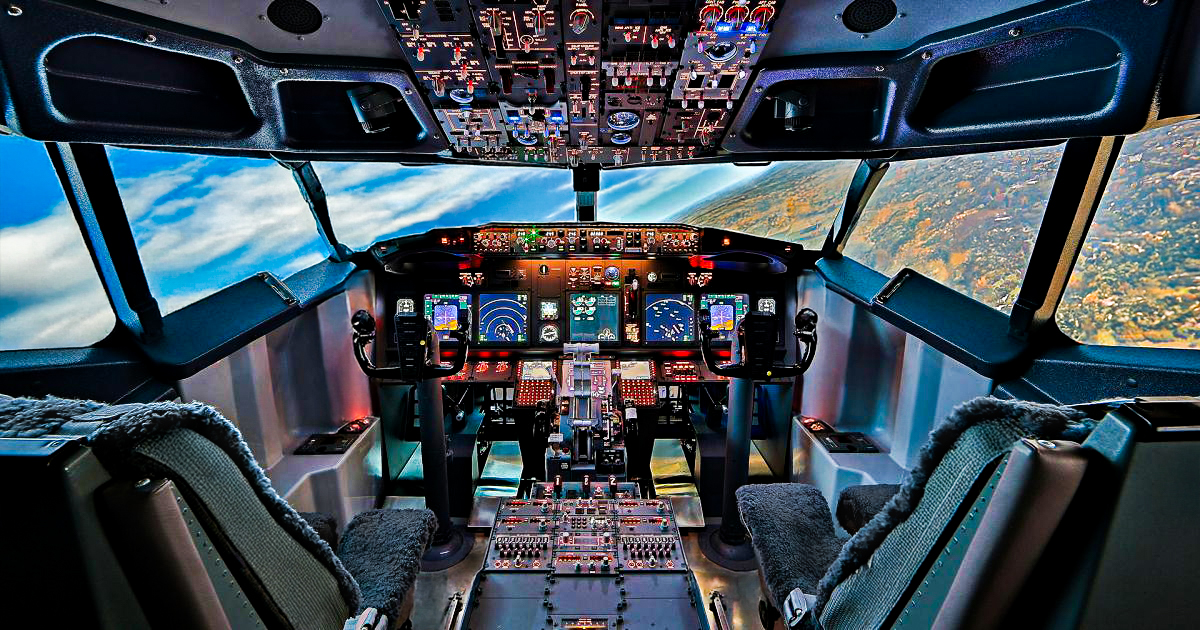
The last step of this training will be to earn a Multi-Crew Certificate (MCC) and proceed for a Jet Orientation Course (JOC) if you wish to fly any kind of Jet airplane. This training will allow you to fly under Multi-Crew operations, identify your respective tasks and responsibilities as a flight crew.

Welcome to Commercial Aviation! You are now a fully qualified Airline Pilot ready to find your first pilot job.
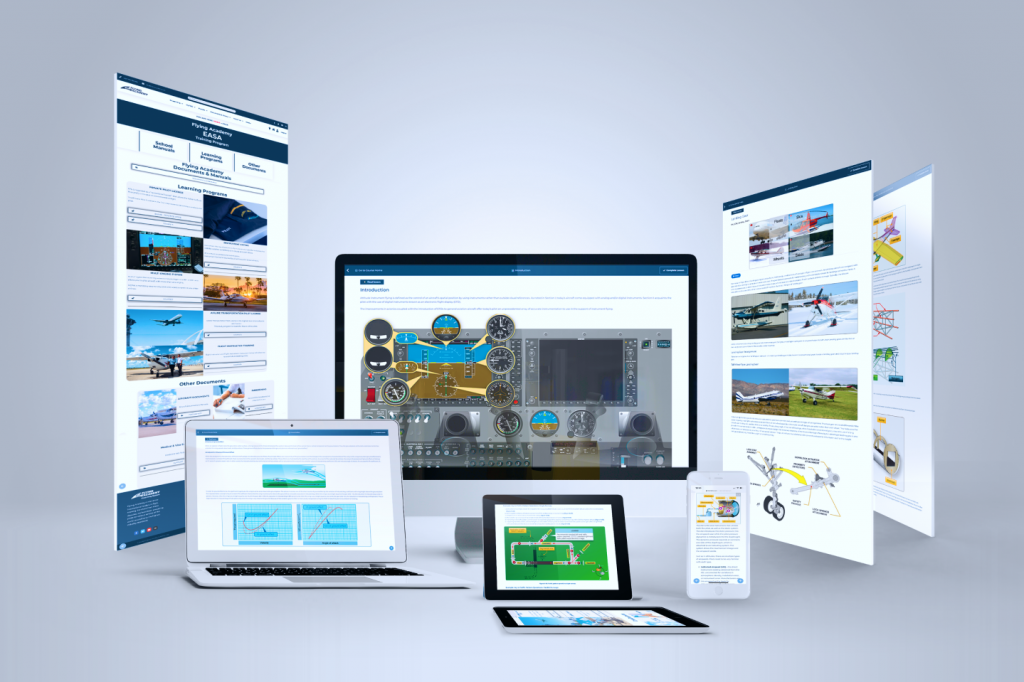
Students have access to our eLearning portal where all course work, syllabus and schedules are available.
The tuition varies depending on the course and training program chosen. For more information contact our flight training consultant via email or phone.
Flying Academy is operating a wide variety fleet of 42 aircraft. Mainly we are using Pipers and Cessnas for ab-initio pilot training. Our fleet is maintained at the highest levels of safety with our own maintenance crew.
Yes, we do. Flying Academy is an International Flight Training Center that creates a multicultural learning environment with students from all around the world.
Flying Academy is a direct provider for the Ryanair Cadet Program! We offer our graduates the opportunity to start employment with Ryanair, without payment for the Type Rating.
Yes, we do. When travelling to our bases in Europe, you will need a long-term Schengen Visa. Our Flight Training Consultants will assist you with the visa processes, providing confirmation of enrollment and accommodation.
Applications for a Schengen (long-term) visa are in most cases reviewed within 1-3 months. Short-term visas can be filed within 3 months of the planned trip.
Yes, for the entire program we have installment plans. Flying Academy has a comfortable pay-as-you-go approach, allowing every trainee to take a training pace that fits their financial abilities.